Miami Homeowners Insurance in 2026: What Changed and How to Lower Your Premium
September 10 is the statistical peak of the Atlantic hurricane season, and the stretch from mid-August through mid-October produces most of the storms that reach Florida. It is also the last comfortable window to look at your homeowners policy. Once a named storm threatens the state, carriers freeze new business and stop processing coverage changes, and whatever you meant to fix waits until the system passes.
There is a second reason to do it this year. For the first time in a decade, Florida homeowners insurance is getting cheaper, and most of the people eligible for the savings have no idea.
The Market Turned in 2026
Florida regulators approved Citizens Property Insurance's 2026 rates in March, the first average personal-lines decrease since 2015. Across all personal lines the statewide average is down 5.9%. On the HO-3 multiperil table, the one that covers most single-family homeowners, the statewide average is down 8.7% and Miami-Dade is down 14.0% across 42,386 policies, one of the deepest cuts in the state. The approved rates took effect July 1, 2026 for new policies and reach existing policies at renewal. Averages are not quotes, so read your own renewal rather than the headline.
Citizens is only part of it. Private carriers filed decreases of their own, including Florida Peninsula at 8.2%, Security First at 8%, and Universal Property and Casualty at 5.1%. Seventeen new insurance companies have entered Florida since the 2022 and 2023 legislative reforms, and that last number is the one that matters most to you, because carriers chasing market share compete on price.
The reforms ended one-way attorney fees and curbed assignment-of-benefits abuse, litigation volume fell, and losses landed under what carriers had projected. Reinsurance, the biggest single input into a Florida premium, came in roughly 15 to 20% cheaper at the June 2026 renewals.
There is a caveat. Florida will never be a cheap insurance market, and this is a cycle, not a permanent correction. A major landfall, a global catastrophe that ties up reinsurance capital, or another run of construction-cost inflation could turn the direction around. Take the savings while they are on the table.
If Your Policy Has Been Auto-Renewing, You Are Probably Overpaying
During the hard market a lot of Miami homeowners took whatever policy would have them, often Citizens, and then stopped looking. The renewal shows up, the number is close enough to last year, autopay handles it, and five years go by. Meanwhile the new carriers arrived and started competing for exactly the kind of well-maintained inland home many of my clients own.
Two things go stale on a policy nobody reviews. The first is the insured value, which carriers inflate a few percent every year to track rebuilding costs. Left unchecked for five or six years, that compounding can leave you insuring a rebuild figure well above what your house would cost to replace. The second is your credits. If the wind mitigation report on file has expired, or predates your new roof or your impact windows, you are paying a premium calculated on a house that no longer exists.
Before your next renewal, ask your agent for three things: your current declarations page, a copy of the wind mitigation report the carrier has on file, and quotes from at least three companies. That is an afternoon of work on a bill you pay every month.
The 4-Point: What Underwriters Mean by Satisfactory
Two reports decide whether an older house can be insured and at what price, and on a house past a certain age most carriers will not bind without at least one of them. The first is the 4-point, which most carriers require on homes roughly 25 to 30 years and older. That covers a large share of the housing stock in Glenvar Heights, South Miami, Kendall, and the older pockets of Coral Gables. The inspector looks at four systems: roof, electrical, plumbing, and HVAC. Each has to come back in acceptable condition, and every carrier defines acceptable a little differently. The failures cluster in predictable places.
Electrical. Federal Pacific, Zinsco and Challenger panels, along with original fuse boxes, are what I see cause the most trouble on Miami deals. Underwriting guidelines differ by carrier and are not published as one rule, so have your agent check the specific carrier rather than assuming a blanket decline. Aluminum branch wiring shows up in a lot of 1960s and 1970s construction. It is usually fixable, because carriers accept remediation with COPALUM crimps or AlumiConn connectors at every device. Double-tapped breakers, ungrounded outlets, and any sign of scorching in the panel also get flagged.
Plumbing. Polybutylene supply lines are the problem I see stop the most deals, and there is no remediation short of a repipe. Galvanized supply lines and heavily corroded cast iron drains draw the same scrutiny.
Roof. This is where the useful life standard lives, and Florida law is more helpful here than people realize. Under Florida Statute 627.7011, an insurer cannot refuse to write or renew a policy solely because of roof age if the roof is under 15 years old. At 15 years and older, you have the right to pay for an inspection by an authorized inspector before a carrier can require replacement, and if that inspection shows at least five years of useful life remaining, age alone is not grounds for refusal. In practice, underwriters start getting uncomfortable with shingle roofs around 15 to 20 years, tile past 20, and metal past 25.
HVAC. Systems past about 15 years get scrutiny, and an active refrigerant leak or a clogged drain line with staining around it can sink an otherwise clean report.
The fixes are usually smaller than the panic they cause. A panel swap runs a few thousand dollars. Aluminum wiring remediation is a day of work. What costs people real money is finding out at the wrong moment, with a closing date on the calendar. If you are selling, order the 4-point before you list. If you are buying, order it in the first week of your inspection period.
Wind Mitigation: Opening Protection Is All or Nothing
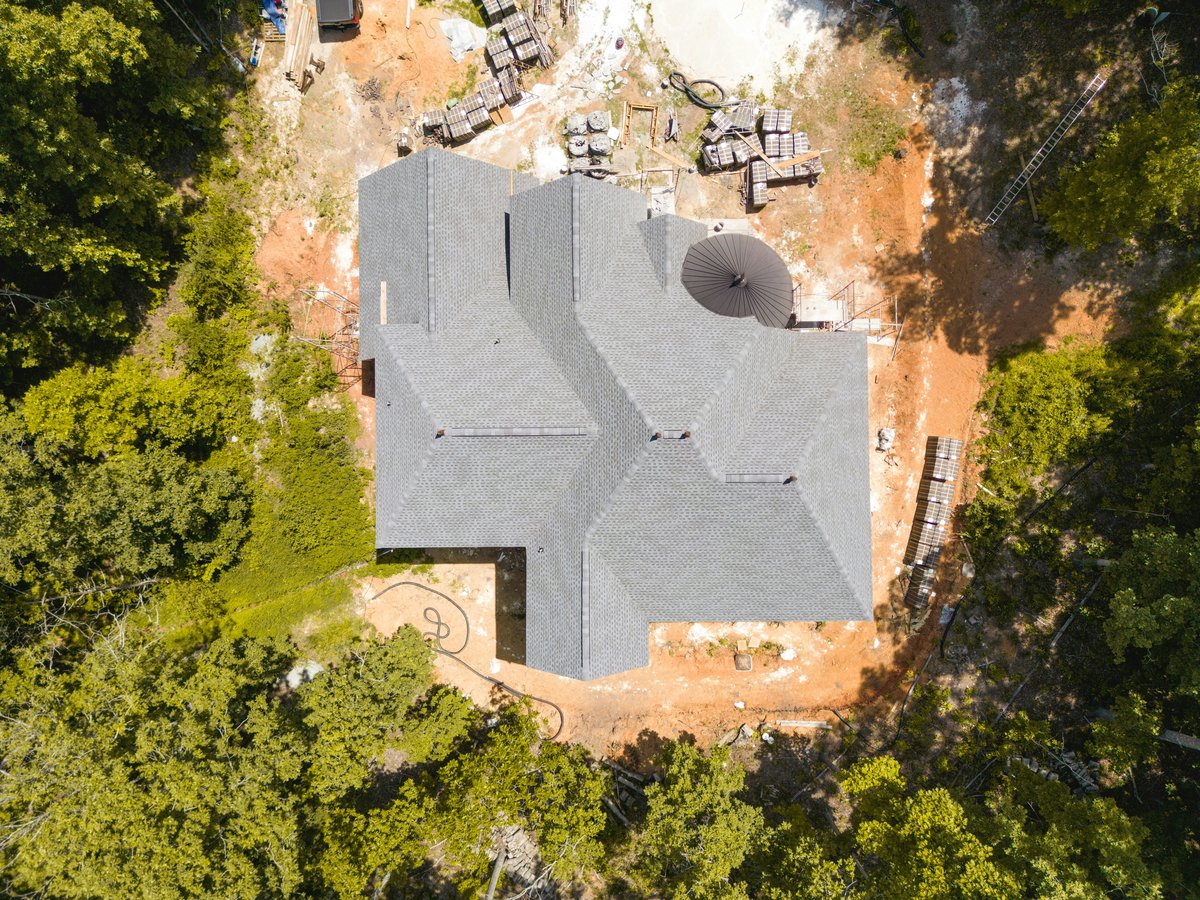
The second report is the wind mitigation form. No carrier is required to demand it, and a house can be written without one, but skipping it forfeits the credits, because the form is how the carrier learns which discounts the house has earned. It documents seven categories and weights them very unevenly. Roof shape matters, and a hip roof earns considerably more than a gable. Roof-to-wall connections matter too, where double wraps beat single wraps and clips beat toe nails. The inspector has to physically see those connections, which means attic access. Roof deck attachment, secondary water resistance, roof covering, and building code compliance fill out the rest.
The largest single credit is opening protection, and it is graded on the weakest opening in the house. Every window, every exterior door, and the garage door must have qualifying protection. If one bathroom window has nothing, the entire credit disappears. Interior blinds, security film, and decorative shutters do not count. The garage door is the one people forget, and it is often the reason a home with a full set of impact windows still gets no credit.
The other thing that quietly costs owners money is documentation. An upgrade does not lower your premium until it appears on the form with evidence behind it. Impact windows installed without a permit, or with the product approval paperwork long since lost, routinely go uncredited even though they are physically there. Pull your permit history before the inspector arrives and have the product approval numbers ready.
Getting all of it right is worth real money. The windstorm portion is the largest line item in most Miami policies, and Florida law requires carriers to offer credits for verified mitigation features. On Citizens' credit table, a fully documented home can cut that windstorm portion by up to 88%. The gap between an undocumented house and a fully credited one is the difference between a premium that works and one that does not.
One change to know about for 2026: the Office of Insurance Regulation revised the Uniform Mitigation Verification Inspection Form effective April 1, 2026. It requires photo evidence for every credit claimed and was built off an updated wind-loss study, so some homes now qualify for stronger credits and others receive less than they did before. Reports issued on the old form stay valid through their five-year window.
I am not an insurance agent and I will not quote you a policy. What I can tell you is which features on a given house are likely to show up on the form, and whether the permit history supports them.
Buyers: Do Not Leave Insurance Until the End
Most buyers shop insurance last. Inspections come back, financing gets sorted, and somewhere in the final two weeks somebody starts calling for quotes. In Florida that order is expensive.
The standard FAR/BAR AS IS contract has no homeowners insurance contingency of its own, so on a financed purchase the nearest protection usually sits inside the financing contingency. Whether an insurance problem actually gives you a right to cancel depends on your signed contract, any riders or addenda, the notices given and the deadlines, so review those terms with your agent and your attorney before the relevant dates pass rather than relying on a general rule. The Loan Approval Period is whatever the parties write into the blank, and the form defaults to 30 days after the effective date if it is left empty, whatever the loan type. Once you have given timely loan approval notice, paragraph 8(b)(vi) still returns your deposit if the loan then fails because a property-related condition of the approval was not met (the appraisal value is excluded), unless another part of the contract waives that condition. That is a narrow route, and on its own it does not let you walk because a quote came back high.
That is where buyers get trapped. You are past the loan approval deadline, you finally start shopping insurance, and you find out the house has polybutylene, or a 24-year-old roof no inspector will certify, or a panel every carrier declines. By then your options are whatever your contract actually gives you, and for many buyers that is very little: close on a house you cannot insure at a price you can carry, or walk with your deposit exposed. Check the contract rather than assuming either outcome.
Avoiding this costs nothing. Order the 4-point and the wind mitigation in the first week of your inspection period, alongside your general inspection, and get a real quote on the specific address rather than a neighborhood estimate. If the numbers do not work, every one of your outs is still available. On older homes you can also ask for a homeowners insurance addendum, which gives you a cancellation right if coverage turns out to be unavailable or above a stated dollar figure. It is not standard and it has to be negotiated, but it is worth asking for.
Flood Zones Are a Smaller Number Than People Expect
Flood is separate from your homeowners policy and it frightens buyers more than the math justifies. Zone AE sits inside the 100-year floodplain and requires coverage if you have a federally backed mortgage. Zone X sits outside it and generally costs far less. I am not going to print a premium band for either, because flood pricing under Risk Rating 2.0 is set property by property on elevation, construction, foundation type, first-floor height and replacement cost, so a neighborhood range is not a usable estimate for any particular house. Get a quote on the address. And do not read a Zone X designation as permission to skip coverage. A lender can require it anywhere, and Citizens now requires flood coverage on its wind-inclusive personal residential policies outside the high-risk zones once Coverage A, the dwelling limit, reaches $400,000 in 2026, and on all of them from 2027 regardless of value. Condo unit-owner policies, tenant contents policies and policies without wind coverage are exempt. Unincorporated Miami-Dade also holds a Class 3 rating in FEMA's Community Rating System. Under Risk Rating 2.0 that rating discounts eligible full-risk NFIP premiums by 35%, and it reaches policies outside the special flood hazard area as well as inside it. It does not cut a renewal bill by 35%, because the move to full-risk pricing and the separate policy fees and surcharges change what you actually pay. Ask the carrier how the discount lands on the specific address.
Large portions of Glenvar Heights, Pinecrest, Kendall, and Palmetto Bay sit in Zone X. The parts of Coconut Grove and Coral Gables closer to Biscayne Bay carry AE and, along the water, VE. Designations change block by block, so check the specific address through Miami-Dade County's flood zone map or the Flood Zone Hotline at 305-372-6466 before you write an offer. Private flood carriers have become competitive here and are often cheaper than NFIP on well-maintained homes, so quote both and compare the actual offers rather than a rule of thumb. Insurance and property taxes are the two carrying costs that vary most between otherwise comparable Miami homes, and both are knowable before you write an offer.
A Note on My Safe Florida Home
The state program offers free wind mitigation inspections and matching grants for hurricane hardening, funded again in the FY2026-27 budget with more than $405 million across the program and its condo counterpart. The match is 2-to-1 up to a $10,000 grant.
The eligibility limits are the part that gets skipped. The home needs an insured value of $700,000 or less and a building permit application predating January 1, 2008, and grants are capped at 120% of county area median income. Many homeowners in the neighborhoods I cover will fall outside at least one of those, so check it, but do not build a budget around it. The free inspection alone is worth the application.
Where to Start
If you own, pull your declarations page and your wind mitigation report this week, check the report against its five-year expiration, and get three quotes before your renewal posts. If anything on the house has been upgraded since the report was written, that alone justifies a new inspection.
If you are buying, move insurance to the front of your due diligence. Order both inspections in week one, get a real quote on the actual address, and have a clear answer on insurability while your financing contingency is still alive.
I am not an insurance agent and I will not quote you a policy. What I can do is send you the flood zone, the elevation, and the permit history on the roof and the openings for any address in Southwest Miami-Dade, so you and your agent are working from the actual record. That usually takes me under an hour. Call or text me at 786-223-1117.
Sources
Florida Realtors / Florida Bar, AS IS Residential Contract for Sale and Purchase (ASIS-7x), paragraph 8(b)
Citizens Property Insurance Corporation, Revised 2026 Rate Kit, approved rates effective July 1, 2026 (March 2026)
Citizens Property Insurance Corporation, 2026 Rate Recommendations (December 2025), superseded by the approved March 2026 kit
FEMA, Community Rating System Discount Guide (July 2023)
Executive Office of the Governor, Major Insurance Rate Relief as Florida's Reforms Deliver Results (January 2026)
Florida Office of Insurance Regulation, Insurance Rate Relief Announcement (January 2026)
Florida Office of Insurance Regulation, Wind Mitigation Resources and Form OIR-B1-1802
Florida Statutes, Section 627.7011, Homeowners' Policies and Roof Age
Florida Statutes, Section 627.0629, Residential Property Insurance Rate Filings and Mitigation Discounts
Citizens Property Insurance Corporation, 4-Point Inspection Form
Insurance Journal, Why Florida Property Insurance Rates Might (and Might Not) Keep Falling (June 2026)
Guy Carpenter, Florida Reinsurance Renewals (June 2026)
NOAA, Updated 2026 Atlantic Hurricane Season Outlook (August 2026)
Miami-Dade County, Flood Zone Maps and Community Rating System