Miami Neighborhood Guide
Living in Glenvar Heights: A Resident's Guide to Homes, Schools and Prices
Neighborhood Boundaries
Glenvar Heights
Interactive map of Glenvar Heights and six surrounding Miami-Dade neighborhoods. Use the links below the map to open any neighborhood guide.
Your Resident Specialist
Where I Live. What I Know.
Glenvar Heights isn't on every buyer's radar. This 4.08-square-mile census-designated place (CDP) sits in Southwest Miami-Dade. Glenvar Heights is bounded by Bird Road on the north, roughly SW 62nd to SW 67th Avenue along its stepped eastern edge, and roughly SW 82nd Street on the south. SW 85th Avenue forms its western edge, with the Don Shula Expressway along part of its northwestern boundary. Spanning zip codes 33155 and 33143, the neighborhood is unincorporated Miami-Dade County throughout, with the City of South Miami along its eastern edge.
I live in Glenvar Heights and have for more than ten years. I'm a Miami native, I grew up five minutes from here, and I raised my family in this neighborhood. I've watched the market evolve block by block and helped dozens of buyers and sellers navigate transactions on these specific streets. When I tell you the character of a particular block, it's because I've walked it thousands of times.
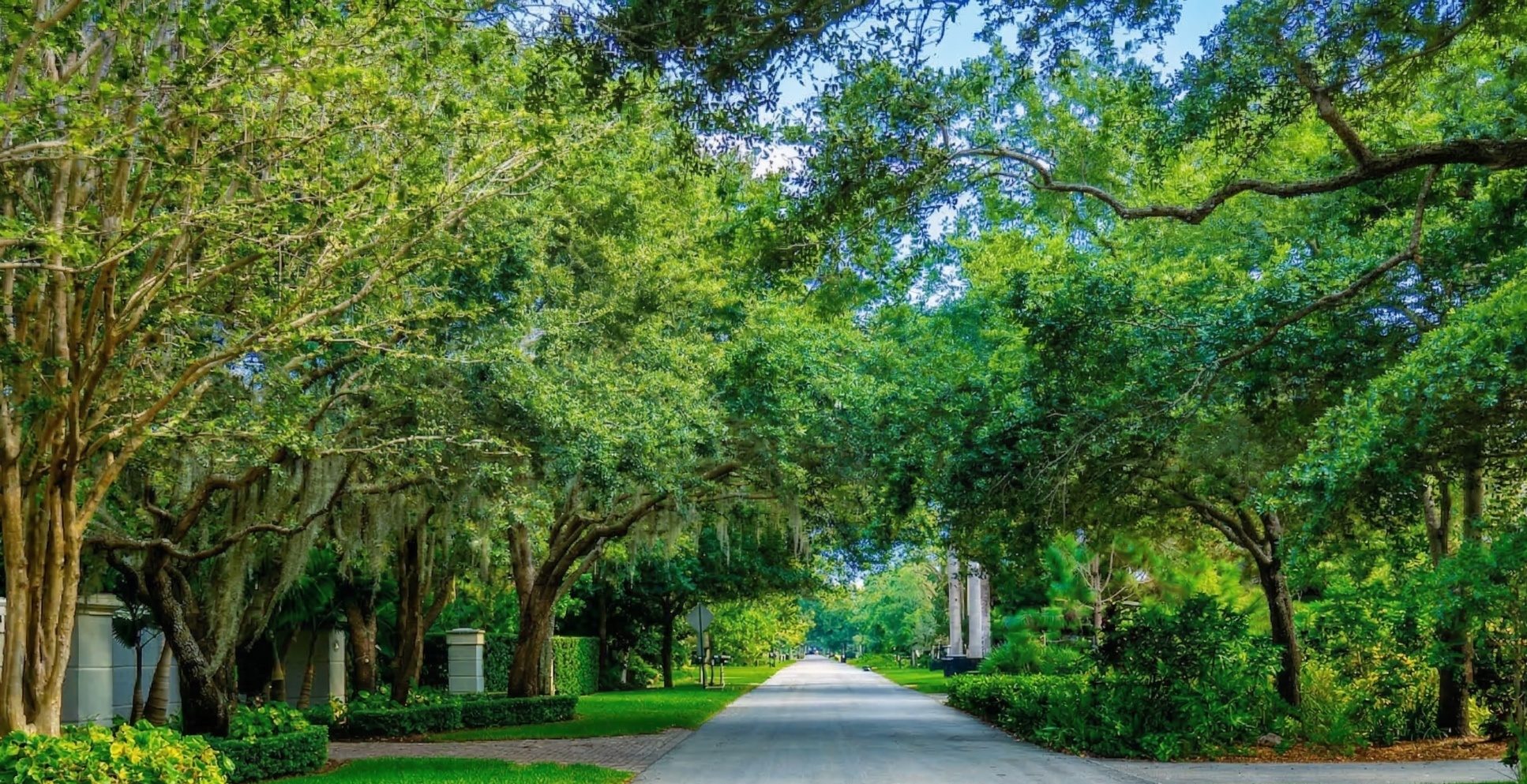
What you buy into here is lot size, tree canopy, and access. The median lot is 16,438 square feet, with most falling between 10,000 square feet and over an acre. The tree canopy is mature throughout. Don Shula/Palmetto Expressway and US-1 put the University of Miami close by. Drive times to Downtown, Brickell, the airport and the Beaches depend on the destination, the route and the traffic, so test the trip from the actual property at the time you would normally travel.
Market Intelligence
Market Analysis: Single-Family Homes
My training is in finance. I bring that analytical discipline to every conversation about Glenvar Heights pricing, starting with how the median gets calculated and what gets left out.
Every figure below covers single-family houses only, with condos and townhomes left out, and places each sale by where the home sits on the map instead of the neighborhood typed into the listing (how the data is built).
What You Will Actually Pay
Over the past twelve months, Glenvar Heights single-family sales sorted into three bands, and the table shows the middle half of the sales in each. Resale houses under 2,000 square feet set the entry point, and original-condition homes usually surface there. Larger resales cover a wide middle, where condition and the size of the lot decide where a house lands. New construction, meaning homes built in 2024 or later, fills the top band. Eight of the 86 sales closed under $1 million, and on the 33155 side in the north, every sale in the period closed at $1.42 million or less.
| Price Band | Past 12 Months |
|---|---|
| Entry-Level (resale, under 2,000 sqft) | $1.2M to $1.5M (27 sales) |
| Mid-Range (resale, 2,000+ sqft) | $1.5M to $2.9M (44 sales) |
| New Construction (built 2024 or later) | $2.6M to $5.3M (15 sales); top sale $7.4M |
Source: closed single-family home sales, October 2025 through September 2026, classified by mapped location, MLS data accessed via Compass. Each range is the middle half of sales in that band.
My own Glenvar Heights work is on the site as well. The lakefront townhouse at 4863 SW 71st Pl sold in September 2026, and 7555 SW 79th Ave shows how a recent sale here came together.
What I Tell My Clients
Glenvar Heights closes few enough houses each quarter that one or two closings can swing the median, so I price a house from the sales on its own block and the land under it. Land carries real weight here. Over the past twelve months, a 1,457-square-foot house built in 1950, on about three-quarters of an acre, sold for $3,050,000. With supply at 4.8 months, in the balanced range, sellers do best by pricing to the recent sales on their street from the first day. Buyers should study the lot as closely as the house, including what county zoning allows on it. On a short hold, carrying and transaction costs eat into returns faster than most people model, and I run those numbers with each client before an offer goes in.

Competitive Analysis
How Glenvar Heights Compares
Median price per square foot, single-family homes, each sale classified by mapped location. Basemap © OpenStreetMap contributors. Full Q3 2026 report.
| Neighborhood | Median sold | YoY | $/SF | Days to contract | Closed |
|---|---|---|---|---|---|
| Pinecrest | $2,900,000 | +14.4% | $832 | 43 | 63 |
| Coconut Grove | $2,800,000 | +21.7% | $1,245 | 45 | 57 |
| Coral Gables | $2,102,500 | +12.1% | $923 | 40 | 96 |
| Glenvar Heights | $1,810,000 | +4.6% | $823 | 40 | 17 |
| South Miami | $1,391,500 | +10.9% | $738 | 43 | 22 |
| Kendall | $1,200,000 | +13.5% | $496 | 41.5 | 93 |
| Palmetto Bay | $1,200,000 | +9.4% | $502 | 41 | 87 |
| High Pines + Ponce-Davis | n/m | n/m | n/m | n/m | 3 |
Source: MLS closed single-family sales, reassigned to true neighborhood boundaries by parcel location. Q3 2026 vs Q3 2025. High Pines + Ponce-Davis had 3 sales, too few to measure, so it is shown without figures. Glenvar Heights (17) and South Miami (22) are small samples. n/m = not meaningful.
Glenvar Heights ranked fourth of the seven measurable areas on median price this quarter, between Coral Gables above and South Miami below. Per square foot it ran close to Pinecrest, $823 against $832, on 17 sales against 63 and with smaller homes in the mix. Its 40 days to contract tied Coral Gables for the fastest pace. Pinecrest is the usual comparison, with larger lots and its own village government, while Glenvar Heights runs on county services with no city millage. Lots, taxes, schools and access are set side by side in Glenvar Heights vs Pinecrest vs Coral Gables.

Why Glenvar Heights
The Value Proposition
The lot size is the headline. The 16,438 SF median (0.38 acres) runs well above Coral Gables at 10,000 SF and South Miami at 10,080 SF.
The tradeoff is governance. Coral Gables adds a Board of Architects and historic preservation review on top of city services. Glenvar Heights runs on Miami-Dade County services across its 4.08 square miles with no city millage on top of county taxes, and a home here usually costs less than in the Gables while sitting on about 60% more land.
Other Glenvar Heights sales of mine include 8624 SW 75th St, sold for $1.25M, and 7270 SW 60th St, sold for $1.2M.
Just east of US-1 sit Ponce-Davis and High Pines, two unincorporated pockets of 33143 that price very differently across School House Road.
Compare Glenvar Heights with South Miami, Pinecrest and High Pines + Ponce-Davis using the specific property’s jurisdiction, schools, condition and lot.
I live in Glenvar Heights. Send me the address and I can tell you which pocket it sits in, what the lot actually gives you and which recent sales on that block are worth comparing it to. Discuss this property.
Know the Pockets
Subdivisions & Micro-Neighborhoods
One of the most common mistakes buyers make when searching Glenvar Heights is treating it as a single, uniform market. It is not. This 4.08-square-mile CDP contains distinct micro-neighborhoods, each with its own pricing patterns, lot sizes and housing stock. Understanding these pockets is the difference between finding the right home and overpaying for the wrong block.

Two Zip Codes, a Dozen Pockets
Glenvar Heights sits in two zip codes. The northern part, roughly from Bird Road down to Miller Drive, is 33155; the rest is 33143. Neither zip code stops at the neighborhood line, so a zip-level median describes a much larger area than the block you are looking at, and I pull address-level comps with clients before we tour.
Inside the boundary, the neighborhood grew from a series of mid-century plats rather than a master plan, and several still carry their own market identity: Sudlow Park, Beverly Gardens, Bridgepoint, Sunset Grove, Camner Estates, Estonia, Palm Miami at the upper end, and Ludlam Point and Ludlam Gardens near the northern end of the Ludlam Road corridor. The housing stock is mostly single-story concrete block ranches from the 1950s through the 1970s on lots that run from under 5,000 square feet to more than two acres, with most between 10,000 square feet and an acre. Glenvar Heights is unincorporated Miami-Dade, so county zoning and permitting requirements apply. That does not establish whether an individual property has an HOA, recorded covenants or other private restrictions. Municipal history alone does not determine HOA status or how quickly a renovation is approved, so review the title documents, recorded restrictions and permit history for the particular parcel.
The zip-code table with its caveats, each named pocket, the price tiers by condition and how to check HOA status are all in Glenvar Heights Lot Sizes, Subdivisions and HOA Considerations.
Education
Schools & Education
School zoning in Miami-Dade County is address-specific, and boundaries change over time. Before purchasing any home in Glenvar Heights, verify current school assignments directly with Miami-Dade County Public Schools. Most of Glenvar Heights is zoned to different schools than the "prestige" campuses sometimes marketed alongside the neighborhood. I walk every client through the actual zoning for their specific address.
The Zoned Path and the Alternatives
For most Glenvar Heights addresses the zoned public schools are Ludlam Elementary, South Miami Middle and South Miami Senior High. South Miami Middle is the anchor of that path, with a Florida DOE grade of A in every year the state issued it one from 2002 through 2025-26. South Miami Senior High sits inside the neighborhood, and the state graded it B for 2025-26, a grade that counts learning gains, graduation rate and acceleration alongside test proficiency. The same campus runs audition-based visual and performing arts magnets and offers Advanced Placement and dual enrollment, which is why many buyers weigh it against the private campuses rather than another public one. Sunset Elementary, the school most buyers ask about first, runs the International Studies magnet (French, German and Spanish tracks) and has its own attendance zone; the magnet seats go through the district's application, and the gifted program is a separate matter, so check both against the address.
The private and charter options are part of daily life here. St. Thomas the Apostle (PK-8) and Sunset Montessori are inside the neighborhood, Somerset Academy South Miami is the free public charter most buyers compare against Ludlam and graded A at both its campuses, and Gulliver Prep (Niche A+, checked September 19, 2026) runs a PK-8 campus in Coral Gables and its high school in Pinecrest. Every nearby campus, with grades served, drive times and the 2025-26 Florida school grade, is in Schools Near Glenvar Heights. Whatever you read there, verify the assignment for the specific address with Miami-Dade County Public Schools before you write an offer.
Daily Life
Lifestyle & Community
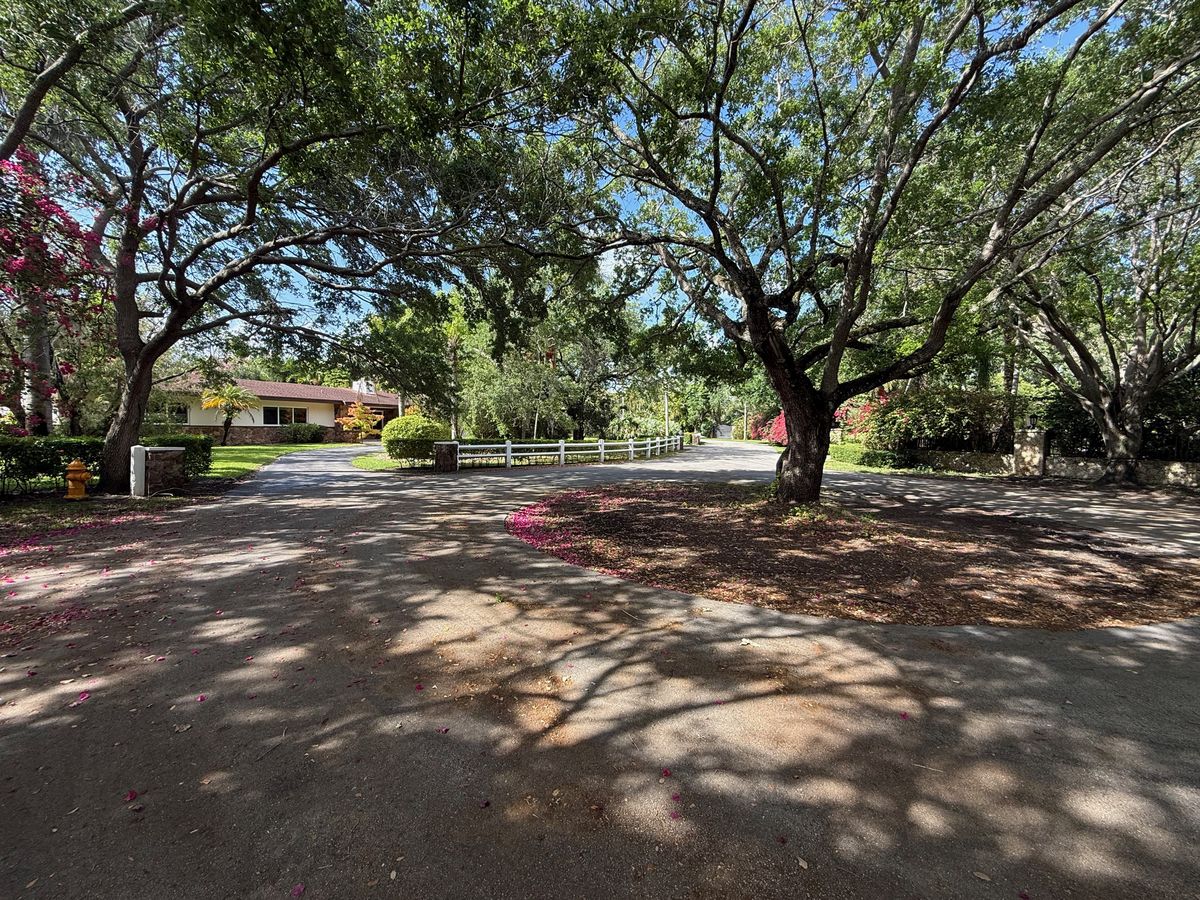
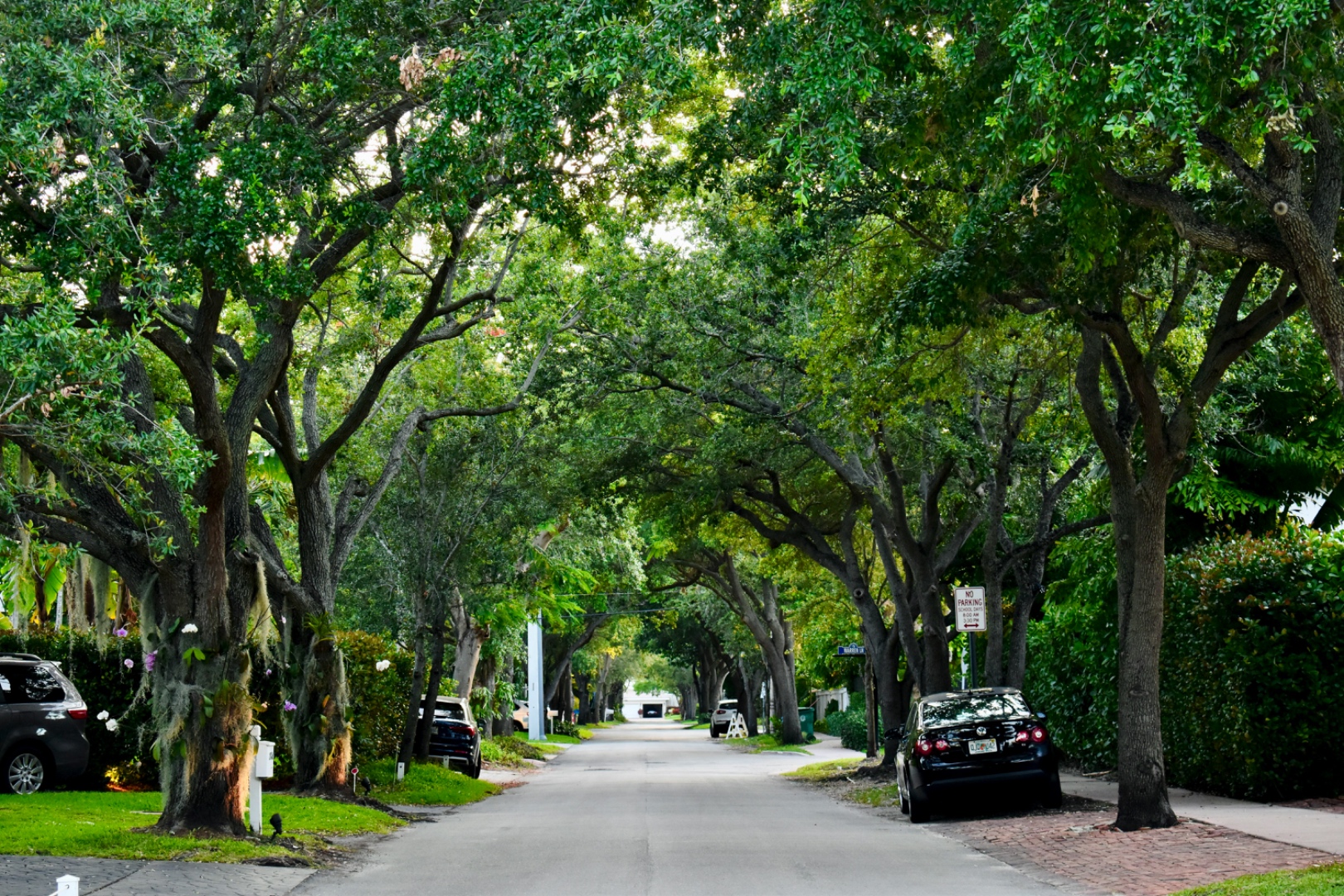
Peacocks roam the streets here. Mature oaks and banyans shade many of the neighborhood's streets. Most of Glenvar Heights sits back from the arterials, quiet on weekday mornings and weekend afternoons. It takes a year or two to read the block-by-block texture of the place. I have lived here long enough to appreciate all of it.
Parks and Green Space
Glenvar Heights has more parkland within a short drive than most buyers expect. The anchor is Tropical Park, with 283 acres roughly two miles from the center of the neighborhood.
Tropical Park covers 283 acres at 7900 SW 40th Street (Bird Road at the Palmetto Expressway), approximately 2 miles from central Glenvar Heights. Built on the site of a former horse track and opened in 1979, Tropical Park attracts roughly 1.5 million visitors annually, according to Miami-Dade County Parks. It is one of the largest urban parks in the county. Amenities include miles of paved pathways for cycling, walking, and running, plus softball and soccer fields, a boxing center, fitness court, and a dog park.
A.D. (Doug) Barnes Park is a 65-acre county park on SW 72nd Avenue, just north of Bird Road. Opened in 1977 and named for the first Miami-Dade Parks director, it features a fishing lake, heated pool, a 15-acre Pine Rockland habitat, hiking and birding trails (the park is part of the Florida Birding Trail and Audubon listings), picnic shelters, playground, and nature center. According to Miami-Dade County Parks, it is one of the best birdwatching spots in Miami.
Dante Fascell Park sits at 8600 SW 57th Avenue on Red Road, managed by the City of South Miami. Its Colombian Sculpture Garden was a gift from Medellín, South Miami's sister city. It offers six clay tennis courts (fee-based with lessons available), basketball and pro beach volleyball courts, handball courts, a gated playground area, jogging trail (1,375 feet), pavilions, and BBQ pits.
Brewer Park, nearby in the City of South Miami, has a dedicated pickleball court.
All America Park (within or adjacent to the CDP) features shaded picnic tables under a tropical canopy and is popular for weekend barbecues and casual soccer.
The Ludlam Trail is a planned corridor along the former FEC railway, not a completed through-route. In July 2026 Miami-Dade approved a design contract for the 5.6-mile project running from about 400 feet north of NW 7th Street to SW 80th Street, with design beginning in the fall. Check the county's project page for current status before planning a walk or a ride around it.
Shopping
Glenvar Heights itself is predominantly residential, with limited retail within the CDP. The northern boundary along Bird Road has commercial corridors. The real advantage is what sits just minutes away.
| Destination | Distance | Type | Highlights |
|---|---|---|---|
| Dadeland Mall | ~4 min / ~2 mi | Regional mall | Florida's largest Macy's. Saks (with a Fendi boutique), Urban Outfitters, Zara. Texas de Brazil, CVI.CHE 105. Apple Store. |
| Downtown Dadeland | ~5 min | Open-air lifestyle center | 7280 SW 90th St. Mix of retail and dining. |
| Dadeland Station | ~6 min | Multi-level retail hub | 8312 S Dixie Hwy. Target, Best Buy, Marshalls, Michaels, PetSmart. |
| Suniland Shopping Center | ~8 min | Outdoor center (Pinecrest) | 11415 S Dixie Hwy. CVS, the post office, Wild Fork, Gyu-Kaku, Flanigan's, Piola. |
| The Falls Mall | ~15-20 min | Upscale outdoor mall | Macy's, outdoor dining, major retailers. |
Dining Corridors
Three primary dining corridors surround Glenvar Heights, each with its own personality.
Sunset Drive (SW 72nd Street) runs along the southern part of the area. Jamaica Kitchen, located at Sunset and Galloway, is a neighborhood institution that was featured on the Food Network's Diners, Drive-Ins and Dives. It has been a gathering spot for locals for years.
Bird Road (SW 40th Street) forms the northern border and is dense with independent restaurants, Cuban cafes, Latin food, and casual dining options. This is where the neighborhood feeds itself on weeknights. Chuck Wagon, a classic American diner, sits on Bird Road itself; Lincoln's Beard Brewing Co. is a block south on SW 41st Street, and El Palacio de los Jugos is farther west at SW 90th Avenue.
US-1 (South Dixie Highway) runs along the eastern edge with chain dining, international restaurants, and quick-serve options. The nearby South Miami city center (6 to 10 minutes away) has a walkable restaurant row with independent dining, wine bars, and cafes.
Religious Institutions
St. Thomas the Apostle Catholic Church (7301 SW 64th Street) is the major anchor institution, with a parish school on-site under the Archdiocese of Miami. Redeemer Church Miami (6790 SW 56th Street, within Glenvar Heights) offers bilingual English/Spanish services on Sundays at 10:30am. Temple Beth Am, a major Reform Jewish congregation, serves the South Miami/Pinecrest corridor and includes Rambam Day School. Multiple Baptist, evangelical, and nondenominational churches operate along the Bird Road and Sunset Drive corridors.
The Neighborhood Feel
There are no grand entry monuments here, no manicured medians, and no neighborhood branding campaigns. The streets are quiet. Some blocks have a rural quality. You can stand in front of certain homes and forget you are ten miles from downtown Miami.
Original 1960s ranch homes sit alongside houses that sold last year. The Census ACS 2020-2024 estimate reports 9,241 households in Glenvar Heights.
The Census ACS 2020-2024 estimate reports a median household income of $72,118 in 2024 dollars. That figure covers households across all housing types; it does not describe the income of current homebuyers.
Getting Around
Transportation & Access
Highway access is one of the practical advantages of Glenvar Heights over neighboring areas. Pinecrest and Coral Gables are beautiful communities, but getting in and out of them during rush hour can be painful. Glenvar Heights sits where South Florida's expressway system converges, and that connectivity makes a real difference in daily life.
10 to 15 min
Non-rush-hour drive time from Glenvar Heights to Miami International Airport via the Palmetto, the shortest of the routes in the table below.
Expressway Network
Glenvar Heights is bordered, bisected, or directly connected to multiple major expressways.
| Highway | Relationship | Key Destinations |
|---|---|---|
| Don Shula Expressway (SR-874) | Northwestern border of the CDP | Florida's Turnpike (Homestead Extension) and West Kendall; meets the Palmetto at Bird Road |
| Palmetto Expressway (SR-826) | Passes through the center of the CDP | Airport, I-75, Hialeah, Aventura |
| Snapper Creek Expressway (SR-878) | Runs through southern Glenvar Heights | Links the Don Shula with US-1 near South Miami |
| US Route 1 (South Dixie Hwy) | Eastern edge of the CDP | Pinecrest, Homestead (south); Coconut Grove, Brickell, Downtown (north) |
| Bird Road (SW 40th Street) | Northern boundary, major arterial | Coral Gables, UM, Westchester, MIA Airport |
Drive Times (Non-Rush Hour)
Distances and typical non-rush-hour drive times from the center of Glenvar Heights, measured along the routes named in each row. Peak-hour traffic on the Palmetto and US-1 adds meaningfully to several of these, so treat them as the floor rather than the average.
| Destination | Distance | Drive Time | Route |
|---|---|---|---|
| Miami International Airport | ~10 miles | 10-15 minutes | Via Palmetto Expressway |
| Downtown Miami / Brickell | ~10-11 miles | 15-20 minutes | Via the Palmetto and SR-836, or US-1 |
| Miami Beach | ~20 miles | ~25 minutes | Via US-1 to I-195 / Julia Tuttle Causeway |
| University of Miami | ~4 miles | ~7 minutes | Via Ludlam or US-1 |
| Dadeland Mall | ~2 miles | ~4-5 minutes | Via US-1 or SW 72nd Street |
| Florida Keys | ~55-60 miles (Key Largo) | ~45-60 minutes | Via Florida Turnpike south |
| Fort Lauderdale | ~36 miles | ~40-50 minutes | Via I-95 or Turnpike |
Rush hour reality: Multiple residents note that drive times can double during peak hours. Miami traffic is notoriously congested, and the 7 to 9am and 5 to 7pm windows on US-1 and the Palmetto can significantly increase travel time. The expressway access mitigates this better than most neighborhoods, but it does not eliminate it.
Public Transit
Dadeland North sits on the neighborhood's southeastern edge, at US-1 and SW 83rd Street, and Dadeland South is one stop south on Metrorail. Both are under two miles from the middle of the neighborhood. These stations connect directly to Downtown Miami Government Center, Brickell, Coconut Grove, and South Miami stations on the northbound Orange and Green lines.
Miami-Dade County Metrobuses run along Sunset Drive (SW 72nd Street) every day of the week, providing service through the southern part of the area.
Still, Glenvar Heights is primarily car-dependent. The Walk Score is low by urban standards. This is a suburban residential neighborhood, and the lifestyle runs that way. Most households have two cars, per DataUSA. If transit access matters, the Dadeland Metrorail stations are a workable option for commuters heading to Downtown or Brickell; daily errands still require a vehicle.
The Practical Advantage
From Glenvar Heights, you have three viable expressway options (the Palmetto, Don Shula, and Snapper Creek) plus US-1 and Bird Road as surface alternatives. That redundancy lets you adapt your route to real-time traffic. Outside rush hour, I can reach the airport in about 12 minutes, Brickell in 18 and the University of Miami in under 10. For clients who travel frequently, the 10-to-15-minute airport commute via the Palmetto is a quality-of-life factor that compounds over hundreds of trips per year.
Roots
History & Character
Glenvar Heights exists the way it does because of decisions made in the 1920s and 1930s. The neighborhood's unincorporated status and its independence from neighboring municipalities both trace back to that window, and they still shape the character you see today.
The 1920s: Almost Part of South Miami
During the Florida land boom of the 1920s, the Town of South Miami was being incorporated. The city's own history records that in March 1926 voters approved a municipality of about six square miles, bounded by Red Road on the east, SW 104th Street and Kendall Drive on the south, Ludlam and the Palmetto on the west, and Bird Road on the north. That included what is now Glenvar Heights. Had that plan held, there would be no Glenvar Heights. It would simply be the western section of South Miami.
1937: The Legal Break That Defined Everything
In 1937, residents in the northern section of the proto-South Miami area took legal action. They "sued out" of the city and successfully reverted to unincorporated status. That decision still shows today in the CDP's irregular boundary lines on modern maps, in the absence of city taxes and a city government, and in the name "Glenvar Heights" surviving as a distinct community identity rather than being absorbed into a larger municipality.
That 1937 legal separation is the foundation of Glenvar Heights' identity. It is why the neighborhood has no municipal millage rate on top of county taxes, no separate city police force (Miami-Dade Sheriff's Office provides law enforcement), and no additional layer of municipal bureaucracy. All governance flows through Miami-Dade County.
1937
The year the area reverted to unincorporated Miami-Dade after residents sued out of the city's original boundaries. The tax and governance differences on this page date to that split.
The 1950s Through 1970s: The Building Boom
The vast majority of Glenvar Heights' single-family housing stock was built during the post-World War II suburban expansion of Southwest Miami-Dade. Ranch-style homes, cottages, and bungalows on quarter-to-half-acre lots define the architectural character. The home sizes and lot dimensions from this era are what make the neighborhood appealing to buyers now. The development pattern was consistent with the broader suburbanization wave across South Florida.
The homes from this period share common characteristics: concrete block construction, terrazzo or tile floors, large screened-in patios, mature specimen trees in both front and back yards, and oversized driveways that often accommodated boats, a nod to Miami's water lifestyle. For an older house, assess the actual roof, structural condition, permits and improvements rather than treating its construction era as a guarantee of quality. Features such as terrazzo floors or screened patios are details to inspect in the individual home; they do not establish hurricane performance or structural condition.

1979: Tropical Park Opens
Developed on the site of a former horse track, Tropical Park opened in 1979 with its 283 acres of green space. It has anchored the neighborhood's outdoor life for nearly five decades.
The 1980s: Pop Culture Moment
The hit television series Miami Vice filmed in Glenvar Heights during the 1980s, using the neighborhood streets as stand-ins for other parts of Miami. The 1985 episode "Whatever Works" staked out a house at 8225 SW 64th Street, per IMDb's location records. It is a piece of local trivia longtime residents still mention, and it is a small confirmation that the tree-canopied streets looked the part even forty years ago.
2000s to Present: The Transformation
Since the 2000s, the original ranches have been renovated, expanded or replaced one lot at a time, and new construction now sets the top of the price range, as the Market Analysis section shows. On many streets a buyer is choosing between an original house, a renovation project and a finished new build, so compare condition, permits and the planned work along with the location. Browse the existing home collection.
The Name Itself
"Glenvar Heights" is a developer-coined marketing name following common American residential subdivision naming conventions of the early-to-mid 20th century. "Glen" is of Scottish/Irish origin (narrow valley), "var" is likely a variation or elaboration, and "Heights" evokes elevated, desirable terrain. It is standard aspirational naming for residential developments of that era. The name stuck. Nearly a century later, it sits as a distinct community identity on the map, surrounded by Coral Gables, Pinecrest, and South Miami but still governed separately, as it has been since 1937.
Population Growth and Change
The Census counted 16,898 people in Glenvar Heights in 2010 and 20,786 in 2020. Those are dated population counts, not measures of current buyer demand. Census land-area figures also differ between those years, 4.12 square miles in 2010 and 4.08 in 2020, so the comparison should not be presented as growth within an unchanged boundary.
New residents are drawn by lot sizes, tree canopy, and pricing that typically runs below Coral Gables and Pinecrest.
Looking Forward
The neighborhood is transforming, but the structure underneath isn't. Lot sizes, tree canopy, central location, and unincorporated status stay the same when an old house comes down and a new one goes up. As Miami's urban core densifies and affordability pressure pushes buyers outward, Glenvar Heights sits in a narrow middle: urban access with suburban character, at a price point that still makes sense on paper.
I have lived here for more than ten years, grew up five minutes away, and built my practice around the neighborhood. The case for Glenvar Heights comes down to lot sizes, central location, and unincorporated governance. The rest of this page is the supporting evidence.
Common Questions
Frequently Asked Questions
Glenvar Heights single-family homes closed at a $1,810,000 median in Q3 2026 across 17 sales, up 4.6% from a year earlier. Median price per square foot was $823, and the median home went under contract in 40 days. Source: the site's polygon-classified MLS analysis. With 17 sales, one or two closings can move these figures, and differences in location, condition, size, land and construction mix also affect them. They are not an appraisal of a particular home.
Source: Market methodology
Glenvar Heights is bounded by Bird Road on the north, roughly SW 62nd to SW 67th Avenue along its stepped eastern edge, and roughly SW 82nd Street on the south. SW 85th Avenue forms its western edge, with the Don Shula Expressway along part of its northwestern boundary. It covers zip codes 33155 in the north and 33143 in the south. It is unincorporated Miami-Dade County throughout; the City of South Miami sits along its eastern edge.
For most Glenvar Heights addresses the zoned public schools are Ludlam Elementary, South Miami Middle and South Miami Senior High. South Miami Middle has earned a Florida DOE grade of A in every year the state issued one from 2002 through 2025-26. Assignment still varies by address, so confirm it in the district's Find Your Neighborhood School tool, and treat magnet and charter seats as separate applications.
Source: Find Your Neighborhood School, M-DCPS parents, South Miami Middle district dashboard
It suits buyers who want lot size and a central location at pricing that typically runs below Coral Gables and Pinecrest. The median lot is 16,438 square feet for closed single-family sales from Apr 2025 - Mar 2026, about 60% more land than the Coral Gables median, the Palmetto runs through the neighborhood with US-1 on its eastern edge, and there is no city millage on top of county taxes. The tradeoffs are county services instead of a city government, few walkable blocks, and zoned schools that vary by address.
Source: Find Your Neighborhood School, M-DCPS parents, County zoning, County flood property checks, Market methodology
Start with someone who lives here. Jorge has lived in Glenvar Heights for more than ten years, his sales in the neighborhood include 7555 SW 79th Ave and the lakefront townhouse at 4863 SW 71st Pl, and he prices a house from the recent sales on its own block and the lot it sits on. Jorge Guanche is a Glenvar Heights resident and Compass agent ranked in the Top 1.5% nationwide by RealTrends, with 20+ years of experience and over 100 five-star reviews.
The biggest difference is government. Glenvar Heights is unincorporated Miami-Dade with no city millage on top of county taxes, while Coral Gables is a city and Pinecrest a village, each with its own zoning code, permitting and tax layer. The median Glenvar lot is 16,438 square feet, against 10,000 in Coral Gables and 24,534 in Pinecrest. Private restrictions such as an HOA or recorded covenants are a separate question, checked parcel by parcel.
Source: Find Your Neighborhood School, M-DCPS parents, Gables development FAQ, County zoning, Pinecrest zoning map, County property services
Most of Glenvar Heights is in Zone X. About 9% of its single-family homes are in a FEMA high-risk zone today, almost all shallow AH zones, where the typical policy costs about $921 a year, and that share rises to 16% on FEMA's new maps, effective Feb 19, 2027. Glenvar Heights has one of the lightest flood histories of the eight neighborhoods I cover, 120 claims since 1978, and ties Coral Gables for the second-highest ground, a median 10.3 feet. As part of unincorporated Miami-Dade, it gets the county's 35% discount on eligible flood policies.

How I source and verify the data behind this analysis → Data & Methodology
Direct Line
Ask About Glenvar Heights
Tell me what you're exploring. I live in Glenvar, so the answer is usually first-hand.